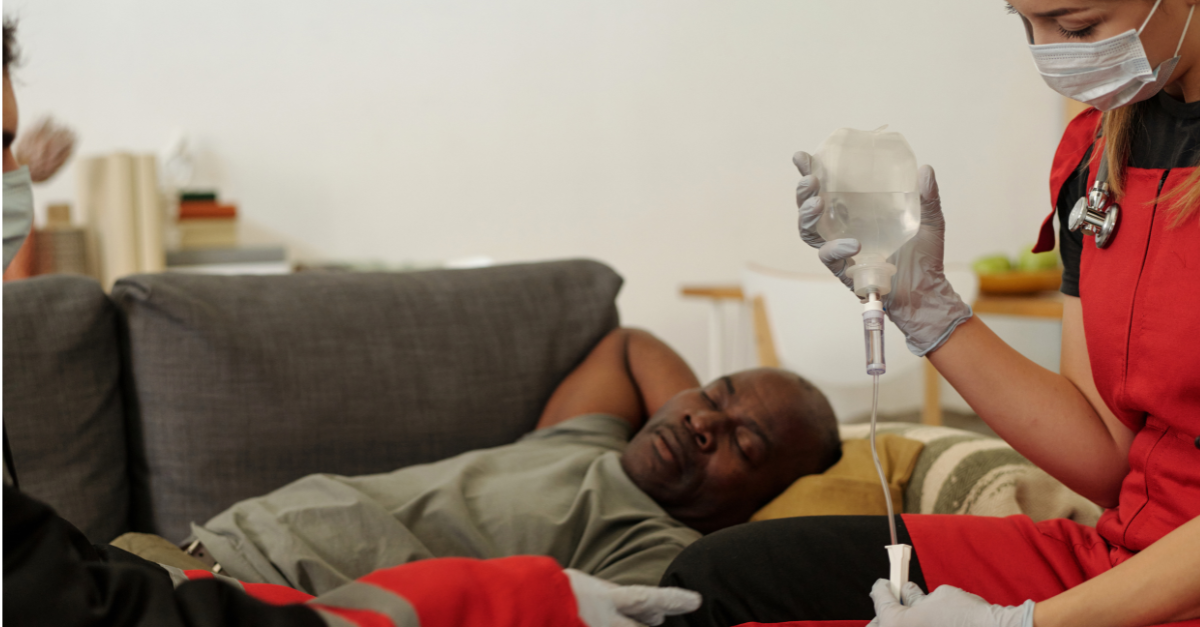
Community paramedicine is rapidly redefining healthcare. By expanding the traditional role of emergency medical services, a community paramedicine program brings proactive, primary care directly into patients’ homes. This innovative model of community paramedicine prevents unnecessary hospital readmissions, reduces emergency department (ED) overcrowding, and supports vulnerable populations who wish to safely age in place.
However, managing mobile healthcare delivery within a paramedicine framework requires seamless, efficient communication. Navigating schedule coordination, patient data collection, and real-time updates can easily overwhelm administrative workflows. To solve these challenges, automated care communication platforms provide the exact infrastructure needed to scale community paramedicine services successfully.
Streamlining Community Paramedicine Operations with ACM Alerts
The success of any community paramedic initiative depends heavily on reliable scheduling. When a community paramedic drives to a patient’s home only to find they are not there or have forgotten the appointment, valuable time and community paramedicine resources are wasted. Research indicates that medical appointment no-show rates can range from 10% to as high as 30% in community-based care, costing health systems billions of dollars annually.
ACM Alerts solves this issue by sending automated appointment confirmations, reminders, and updates via text, email, or voice call directly from the community paramedicine platform. For instance, patients receive a text 24 to 48 hours before a scheduled community paramedicine visit, allowing them to confirm or request a reschedule with a simple tap. Additionally, paramedics can trigger automated real-time ETA notifications when they are en route. Knowing exactly when a community paramedicine professional will arrive increases patient readiness and enhances personal safety for vulnerable individuals. By automating these routine touchpoints, community paramedicine programs can reduce no-show rates significantly, ensuring that mobile teams spend less time driving to empty homes and more time delivering vital care.
Enhancing Data Collection via ACS Forms and Surveys
Accurate documentation and patient intake are critical components of chronic disease management within paramedicine. Traditionally, paramedics spent the first 10 to 15 minutes of a home visit manually filling out paperwork, checking medication lists, and recording vital signs. This manual process limits the actual treatment time available during a community paramedicine encounter.
Automated Care Surveys (ACS) and digital forms transform this workflow by shifting data collection to the pre-visit phase. Before a community paramedicine professional arrives at a residence, the patient or their caregiver receives a secure link to an ACS Form. Through this digital intake, patients can log current symptoms like pain levels, blood pressure readings, or blood glucose numbers.
Families can also upload photos of prescription bottles to complete medication reconciliation, and answer questions regarding social determinants of health, such as food insecurity or home safety hazards. Studies show that utilizing digital intake forms can shave up to 15 minutes off standard patient consultations. For a community paramedic managing a packed daily schedule, this gained efficiency allows for more thorough clinical assessments and increases the total number of patients served per day.
Bridging the Communication Gap with ACM Messenger
Community paramedicine does not operate in a vacuum; it acts as a critical bridge between the patient’s home and the broader healthcare network, including primary care physicians, specialists, and social workers. After a community paramedicine visit concludes, the flow of information must continue seamlessly to ensure continuity of care.
ACM Messenger allows healthcare teams to send secure, automated, or templated post-visit follow-up messages to patients and their designated family members after a community paramedicine intervention. This tool helps reinforce care plans by automatically sending a summary of wound care steps or updated dietary guidelines discussed during the appointment. If a clinician determines that a patient needs a follow-up with their primary physician, the community paramedicine system can automatically text the patient a link to schedule that appointment.
Furthermore, this feature also provides adult children caring for elderly parents from a distance with automated updates confirming that the community paramedicine team visited and that the patient is stable. According to healthcare communication data, proactive post-discharge and post-visit messaging can decrease 30-day hospital readmission rates by up to 20%, reducing the likelihood of health relapses that trigger emergency room visits.
The Compelling ROI of Automated Community Paramedicine Communication
Implementing an automated communication strategy in community paramedicine yields significant benefits across the entire healthcare ecosystem.
| Metric / Focus Area | Traditional Communication Impact | Automated Community Paramedicine Impact |
| Appointment No-Show Rates | High (10% – 30%) | Low (Reduced by up to 50%) |
| Administrative Burden | High manual calling and data entry | Hands-free automation and digital intake |
| Patient Documentation Time | 10-15 minutes per visit | Completed pre-visit via digital forms |
| 30-Day Hospital Readmissions | Higher risk due to gaps in care | Reduced by up to 25% via proactive messaging |
When administrative workflows are automated, community paramedics can focus strictly on clinical delivery. Staff burnout decreases because coordinators no longer spend hours playing phone tag to confirm schedules or collect basic health histories. More importantly, patients receive higher quality, highly coordinated care directly in the comfort of their own homes.