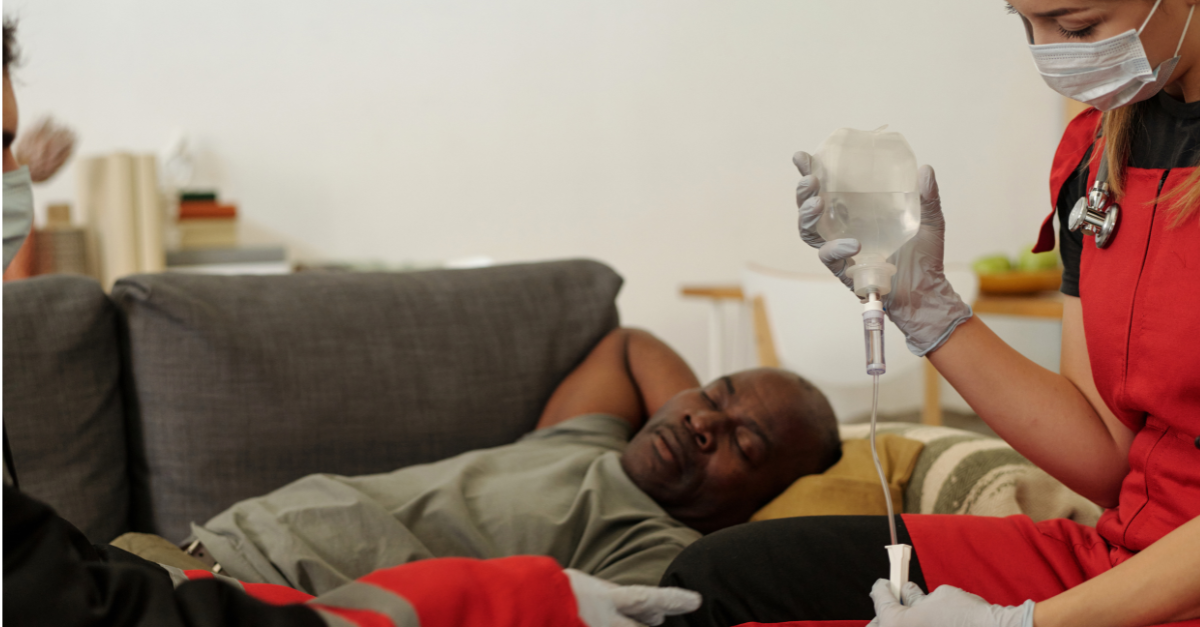
Community paramedicine represents a transformative model in modern healthcare, bringing proactive, post-acute, and preventative care directly to patient homes. By delivering medical management in residential settings, these specialized programs significantly relieve strain on overcrowded hospital systems and emergency services.
National healthcare research indicates that effective community paramedic interventions can reduce non-urgent emergency department visits by up to 50 percent, saving millions of dollars in unnecessary acute care costs. However, scaling these critical community health initiatives requires highly efficient operational workflows.
Traditional home care models frequently suffer from administrative drag, where clinical staff spend substantial portions of their daily shifts completing paperwork, verifying contact information, and recording medical histories manually. Industry statistics show that administrative burdens and manual data entry account for roughly 25 percent of a healthcare provider’s total shift.
For mobile medical teams, this administrative bottleneck drastically restricts the number of home visits completed each day. Modernizing these operations with digital patient intake forms provides a direct solution, replacing slow, paper-based administrative steps with automated electronic workflows.
Through Automated Care Platform, healthcare organizations convert cumbersome clinical preparation into streamlined digital touchpoints that take place long before a clinician steps foot inside a patient residence.
Pre-Visit Patient Intake Forms: Streamlining Preparation and Care Delivery
Every mobile medical encounter requires thorough clinical preparation, and utilizing pre-visit patient intake forms ensures that care teams arrive fully equipped and informed. Rather than spending precious clinical time on-site filling out clipboard questionnaires or conducting lengthy verbal assessments, automated systems deliver digital patient intake forms directly to individuals via text message or email prior to their scheduled appointment.
These secure, accessible patient intake forms systematically capture essential baseline data, including current symptoms, updated medication lists, physical condition changes, primary care provider details, and household safety hazards. Collecting this critical information prior to dispatch saves an estimated 10 to 15 minutes per patient visit. Multiplied across an entire clinical workforce, these cumulative time savings allow community paramedicine programs to increase daily appointment capacity by as much as 30 percent.
Furthermore, completing patient intake forms in a relaxed, low-stress home environment yields far higher data accuracy, as patients have time to review their actual medication bottles and confer with family members. The structured data captured by digital patient intake forms automatically populates the central electronic health record system, completely eliminating manual transcription errors and guaranteeing that mobile clinicians review complete, up-to-date medical profiles before arriving at the front door.
Utilizing pre-visit patient intake forms saves an estimated 10 to 15 minutes per home visit, directly expanding daily appointment capacity for mobile paramedics. Completing these patient intake forms at home in a low-stress environment leads to higher data accuracy, while automatic integration into electronic health records eliminates manual transcription errors.
Post-Visit Automated Surveys: Measuring Quality and Outcomes
While pre-visit patient intake forms optimize clinical preparation and initial care delivery, maintaining a high-performing healthcare program requires continuous outcome evaluation through post-visit feedback. Patient satisfaction metrics and reported clinical outcomes are vital for securing ongoing government grants, municipal funding, and institutional backing.
However, traditional feedback collection methods—such as mailed paper questionnaires or delayed telephone follow-ups—yield notoriously low response rates, often falling below 15 percent. This severe lack of engagement leaves program administrators with incomplete datasets that fail to reflect true patient sentiment. Integrating automated ACS Surveys alongside pre-visit patient intake forms solves this engagement challenge by delivering instant feedback requests directly to a patient’s mobile device immediately following the home visit.
SMS-based digital surveys achieve response rates exceeding 40 percent, offering a statistically significant dataset on care quality, provider professionalism, and instruction clarity. Organizations leverage these post-visit survey insights alongside the data gathered from initial patient intake forms to refine clinical training protocols, resolve patient concerns promptly, and present definitive evidence of program success to financial stakeholders.
Unifying Intake Workflows with Automated Care Platform
Standalone digital tools offer undeniable benefits, but digital patient intake forms achieve their maximum operational impact when integrated into a comprehensive care management ecosystem. While pre-visit patient intake forms solve initial data collection bottlenecks, managing a mobile healthcare workforce involves complex logistical coordination, including patient scheduling, real-time dispatch updates, and post-visit monitoring.
Automated Care Platform functions at peak efficiency when all communication tools work in unison. In a fully integrated workflow, automated appointment reminders sent prior to clinical visits include seamless links to digital patient intake forms, ensuring maximum completion rates before dispatch.
If a clinical team experiences unforeseen traffic or schedule delays, automated wait-time notifications instantly inform the patient, reducing anxiety and preventing incoming calls to dispatch centers. Connecting automated scheduling, digital patient intake forms, real-time status updates, and post-care surveys creates a frictionless care continuum that minimizes operational overhead while maintaining continuous engagement with every individual.
Building a Scalable Future for Mobile Healthcare
Ultimately, removing administrative friction is essential for expanding community paramedicine and maximizing clinical outcomes across diverse populations. Transitioning from legacy manual processes to automated patient intake forms transforms mobile workflows, ensuring that healthcare providers devote their time to direct clinical intervention rather than repetitive data entry.
Pre-visit patient intake forms prepare care teams with accurate medical intelligence, shorten on-site visit times, and expand overall program capacity. Simultaneously, post-visit automated surveys secure the continuous, high-volume feedback required to justify operational funding and drive quality improvement.
When digital patient intake forms operate as a core component of the broader Automated Care Platform, healthcare organizations streamline daily logistics, elevate patient satisfaction, and build sustainable, scalable care models for the future of mobile healthcare.